
Every spring, the same rhythm: the winter visitors head north, the Foothills streets go quiet, and tens of thousands of county homes sit sealed and empty through the brutal months. And every fall, the same discovery — a return to a house that smells wrong, baseboards swollen, a water bill that confesses what the house couldn’t. A supply line that fails in June doesn’t get discovered until October. This is the valley’s most expensive water loss, and it’s almost entirely preventable.
The math of an undiscovered leak
A failed supply line runs at full pressure — hundreds of gallons an hour. Even a modest split hose behind a washing machine moves thousands of gallons a week. In an occupied house, that’s a bad evening: you hear it, you shut it off, you call. In a vacant house, it’s a season: water under every floor it can reach, wicking up every wall, and — in a sealed house baking at interior temperatures — a humidity chamber that grows things. The losses that arrive with October are never drying jobs. They’re removal, drying, remediation, and rebuild, under one very thick file.
The three usual suspects
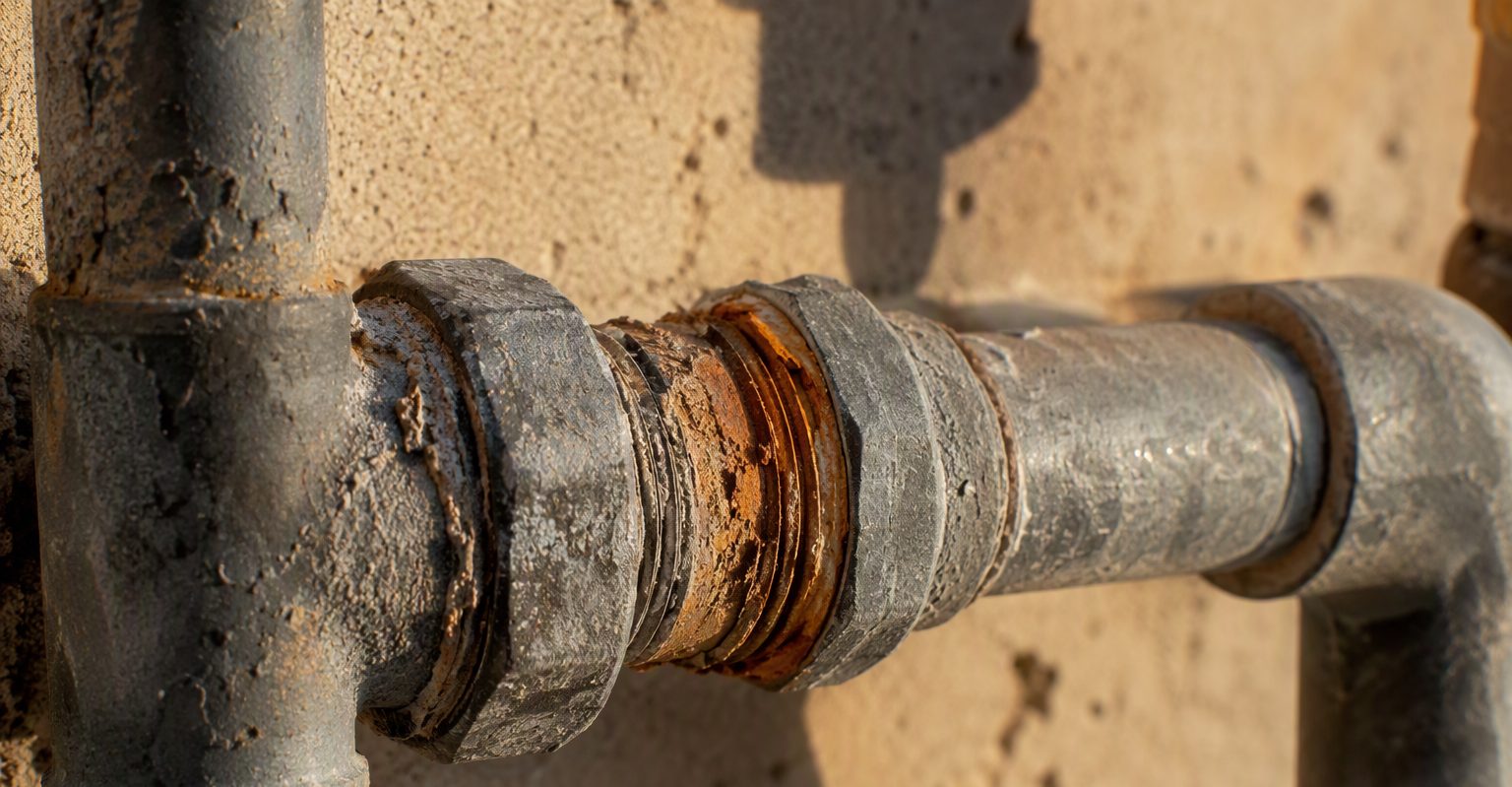
Supply lines first: braided lines and rubber hoses are consumables, and desert heat — garages that hit 140, west-facing sink cabinets — shortens their lives. Water heaters second: a tank at year ten in a hot garage is on borrowed time, and tank failures don’t leak, they empty. And the quiet one: icemaker and refrigerator lines, misting behind the fridge for months before anyone notices in an occupied house — in a vacant one, nobody ever notices. Add the roof-mounted cooler line on homes that still run one, and the whole list is plumbed, pressurized, and waiting.
The shutoff is the whole trick
Here’s the unglamorous, total solution: shut the main off on your way out. No pressure, no burst — a fitting can fail all summer and move zero water. It takes ninety seconds at the street box or the garage valve, and it converts the worst-case scenario from “summer-long flood” to “no story at all.” If the house has swamp coolers or irrigation that must stay live, a plumber can split the domestic feed — a one-time, small-money job against a five-figure loss.
The backup layers
If the water must stay on: an automatic shutoff valve with leak sensors pays for itself the first time it works, and the sensors that text you are the difference between a June failure and an October discovery. A neighbor with a key and a monthly walk-through catches what electronics miss — the smell, the warm spot, the meter spinning with everything off. And a quick photo log on departure day (meter reading, shutoff position, water heater date) turns a later claim conversation from argument into arithmetic.
If you came home to the other version
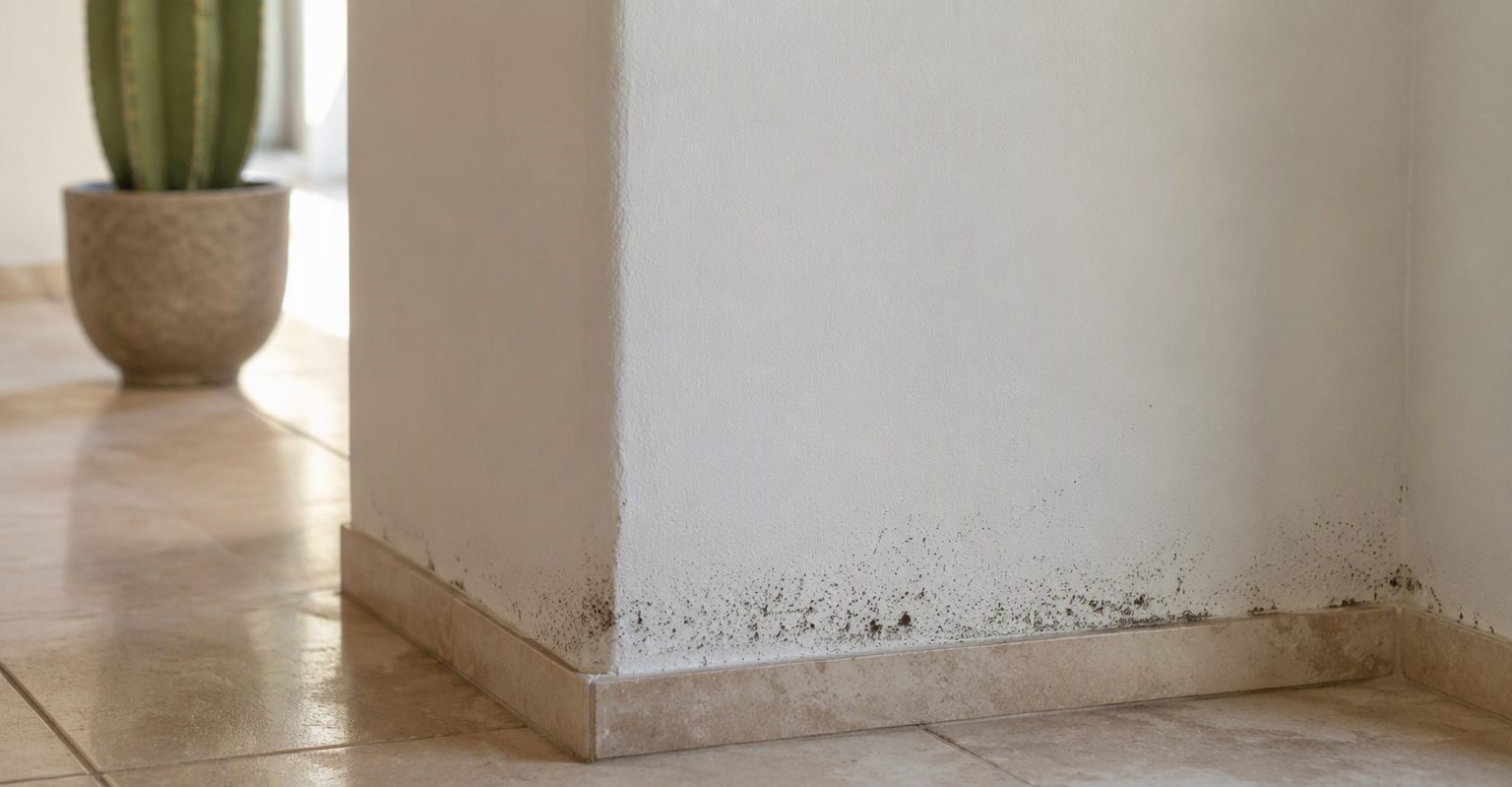
Don’t touch anything yet. Don’t start throwing out swollen baseboards or pulling carpet — the claim needs the loss as it lies. Photograph everything, then call: the first visit establishes what’s still actively wet, how far it spread, and what the timeline likely was — the three facts the carrier will ask about first. Expect mold to be part of the conversation; a summer-long leak in a sealed desert house almost always includes it. It’s a big job, but it’s a known job, and it runs the same way as every loss: mapped, extracted, dried to verified readings, repaired under one written scope. The house comes back. The file is what makes it affordable.